The Four Pillars of the US Dollar | How Long Can the Empire Stand?
Spirit Center Sober Living >> Budget>> The Four Pillars of the US Dollar | How Long Can the Empire Stand?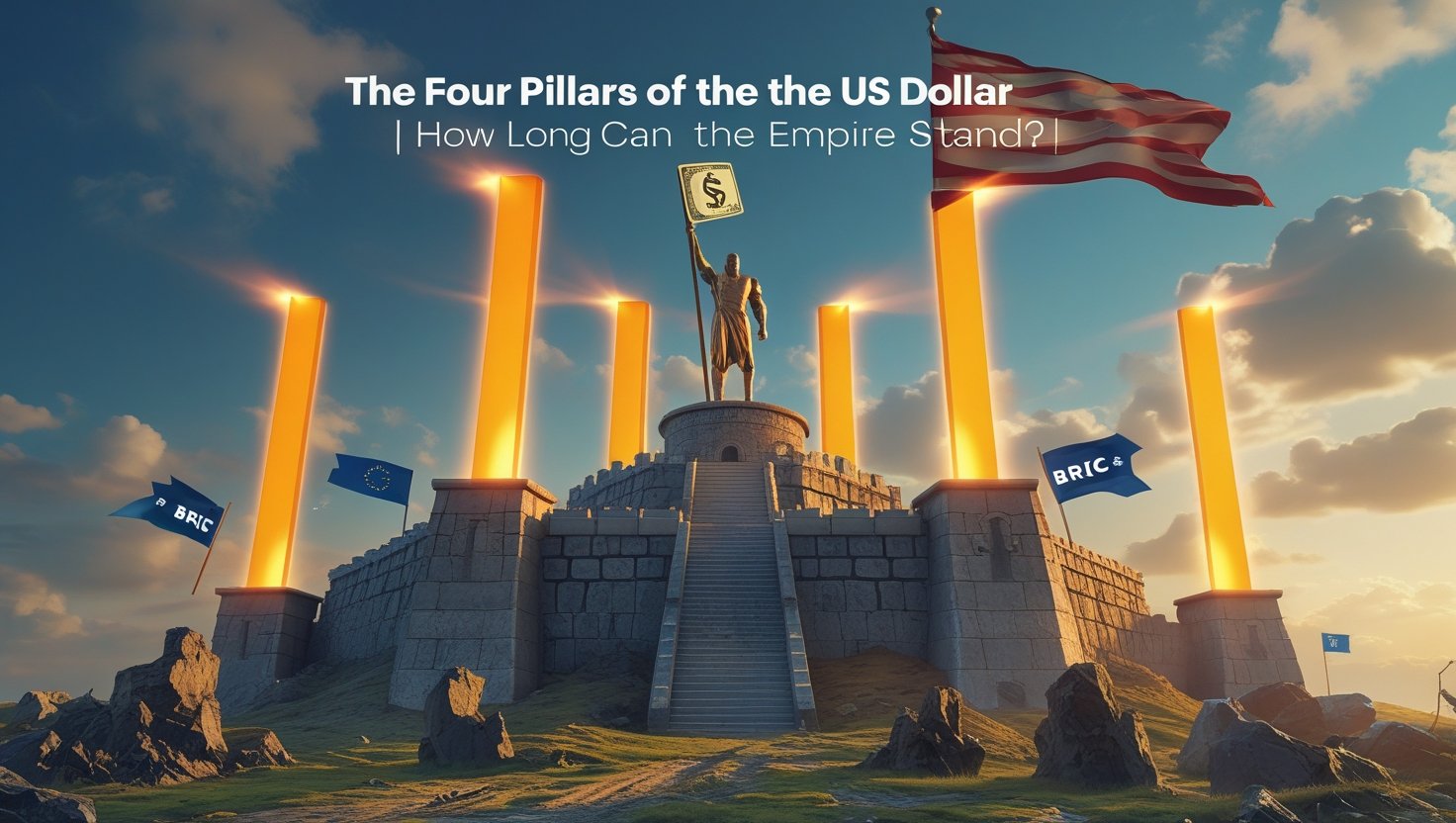
The Four Pillars of the US Dollar | How Long Can the Empire Stand?
The US dollar has been called many things: the world’s reserve currency, a symbol of American power, and the bloodline of the global financial system. For more than seven decades, it has been at the center of global trade, investment, and diplomacy. But like any empire, its dominance rests on a foundation. For the dollar, this foundation can be described as four pillars: the size of the US economy, its role as the primary reserve currency, the fiat money system’s global acceptance, and the petrodollar arrangement.
Understanding these pillars is essential to grasping why the dollar still reigns supreme and what might cause it to stumble.
Pillar 1 – The Economic Might of the United States:
The first and most visible pillar is the sheer size and influence of the US economy. As of 2025, the United States accounts for roughly 22% of global GDP. Its markets are deep, liquid, and trusted, attracting trillions of dollars in foreign investment. The New York Stock Exchange and NASDAQ are the largest and most influential in the world, offering stability, transparency, and opportunities unmatched by most other markets.
Historically, this economic weight gave the dollar a natural advantage. When countries needed to trade in goods, services, or technology, the US was often a key partner. This created constant demand for dollars, not just in the form of currency but also in dollar-denominated assets like US Treasury bonds.
However, this pillar is not unshakable. The rise of China, India, and other emerging economies means that America’s share of global GDP is slowly shrinking. If the US economy loses its position as the world’s largest, the natural demand for its currency will also weaken over time. The dollar’s dominance depends not only on size but also on continued innovation, productivity, and political stability.
Pillar 2 – The Dollar as the World’s Reserve Currency:
The second pillar is the dollar’s role as the primary reserve currency, a status it gained after World War II and has held ever since. Today, around 58% of global foreign exchange reserves are held in US dollars, far ahead of the euro at about 20% and the Chinese yuan at less than 6%.
Reserve status means that central banks around the world store vast amounts of dollars to stabilize their currencies and to facilitate international trade. This gives the US an enormous advantage: it can borrow cheaply and run large deficits without facing the kind of currency crises that plague smaller economies.
But reserve status is ultimately based on trust. Nations hold dollars because they believe the US will honor its debts and maintain a stable currency. Events that shake this trust—such as political gridlock over the debt ceiling, massive deficits, or the weaponization of the dollar through sanctions—can prompt countries to diversify away from the dollar.
We are already seeing small shifts in this direction. Russia, China, and other nations are increasing their gold reserves, trading in local currencies, and exploring alternatives like the BRICS payment system. While the dollar is still king, it no longer rules without challengers.
Pillar 3 – The Global Acceptance of Fiat Currency:
The third pillar is the dollar’s role in the fiat money system, a system in which currency is not backed by a physical commodity like gold, but by the government that issues it. The dollar’s acceptance as fiat money is a cornerstone of global finance, enabling the US to print money to meet its needs without the constraints of a gold standard.
This arrangement began in 1971, when President Richard Nixon ended the dollar’s convertibility into gold. Freed from the gold standard, the US could expand its money supply as needed, funding wars, social programs, and economic bailouts. The rest of the world accepted this because the US economy was strong and its political system was relatively stable.
However, fiat currency systems are inherently vulnerable to inflation and debt accumulation. The United States has taken advantage of its unique position to accumulate a national debt of over $34 trillion. As long as other countries continue to trust the dollar, this is sustainable. But if inflation erodes purchasing power or political dysfunction undermines confidence, the fiat system’s global acceptance could weaken, opening the door to other currencies or commodities.
Pillar 4 – The Petrodollar System:
The final pillar of the petrodollar was built in the 1970s through a strategic agreement between the United States and Saudi Arabia. Under this deal, Saudi Arabia and other OPEC members agreed to price oil exclusively in US dollars. This meant that any country wanting to buy oil had to hold dollars, creating a constant and unavoidable demand for the currency.
The petrodollar not only reinforced the dollar’s reserve status but also gave the US significant geopolitical leverage. It allowed America to run persistent trade deficits without risking a currency collapse, as global oil demand ensured global demand for dollars.
But this pillar faces new threats. The global shift toward renewable energy could reduce the world’s reliance on oil, weakening the petrodollar system. Additionally, major oil producers like Russia and even Saudi Arabia have begun conducting some transactions in other currencies, including the Chinese yuan. If these trends accelerate, the petrodollar’s power could fade.
How Long Can the Pillars Hold?
The four pillars have kept the dollar strong for more than half a century, but none are permanent. The US economy is still dominant, but challengers are rising. Reserve status remains intact, but diversification is happening quietly. The fiat system works because of trust, but trust can erode. And the petrodollar, once untouchable, now faces both environmental and geopolitical pressures.
The most significant threat to the dollar may not be external competition, but internal weakness. History shows that dominant currencies often fall not because of a single event, but due to decades of gradual decline fueled by debt, political instability, and overextension. The British pound sterling, which once reigned supreme, lost its crown after World War II, not just because of America’s rise, but because Britain could no longer sustain its empire.
The Future of the Dollar’s Empire:
In the short term, the dollar will likely remain the world’s most powerful currency. Its financial infrastructure, depth of markets, and entrenched role in trade are too strong to be replaced overnight. But the long term is less certain. A multipolar world with the dollar, euro, and yuan sharing influence is becoming more plausible.
If the United States wants to maintain its currency’s supremacy, it must strengthen the very pillars that support it: keep its economy competitive, maintain the trust of its creditors, manage its debt responsibly, and adapt its energy alliances to a changing world.
The empire of the dollar is still standing, but the cracks in its foundation are visible. The question is not whether change will come; it is how fast, and whether the United States will be ready when it does.
Conclusion:
The story of the US dollar is the story of modern global finance itself. For decades, it has stood on four massive pillars: the economic dominance of the United States, its unmatched position as the world’s reserve currency, the universal acceptance of fiat money, and the powerful petrodollar system. These pillars have given the US a level of influence that no other nation has enjoyed in recent history, allowing it to shape trade, politics, and even the rules of the global economy.
But power built on pillars can be shaken. The cracks are forming—not in dramatic collapses, but in subtle shifts: the slow rise of emerging economies, the quiet diversification of reserves, the growing doubt over fiat money’s stability, and the gradual erosion of the petrodollar’s monopoly. If history teaches anything, it’s that no currency dominates forever.
The dollar still has unmatched strengths. Deep markets, trusted institutions, and a central role in global trade remain formidable. Yet, its future will depend on whether the United States can address its vulnerabilities: excessive debt, political instability, and overreliance on privileges granted by its currency’s status.
The empire of the dollar is not ending tomorrow, but its future will not be decided by chance. It will be determined by the choices America makes today, choices that will decide whether the dollar remains the world’s anchor or becomes just another chapter in the long history of fallen currencies.
FAQs:
1. What are the four pillars that support the US dollar’s dominance?
The four pillars are the economic strength of the United States, the dollar’s role as the world’s reserve currency, its global acceptance as fiat money, and the petrodollar system that links oil trade to the US dollar.
2. Why is the US economy considered the most important pillar of the dollar?
Because its size, innovation, and trusted markets create natural demand for dollars in trade, investment, and financial assets, making it the foundation for global confidence in the currency.
3. How does the dollar’s reserve currency status benefit the United States?
It allows the US to borrow cheaply, run large deficits without severe currency risks, and exert influence over global finance, as most countries hold dollars in their reserves.
4. What is the petrodollar system and why is it important?
It is an arrangement where major oil producers price oil exclusively in US dollars, ensuring constant global demand for the currency and reinforcing its reserve status.
5. What threats could weaken the dollar in the future?
Rising competition from other economies, diversification away from the dollar in global reserves, reduced oil dependence due to renewable energy, and internal issues like high debt and political instability could all erode its dominance over time.