The Future of Sport Technology:
Spirit Center Sober Living >> Sport>> The Future of Sport Technology: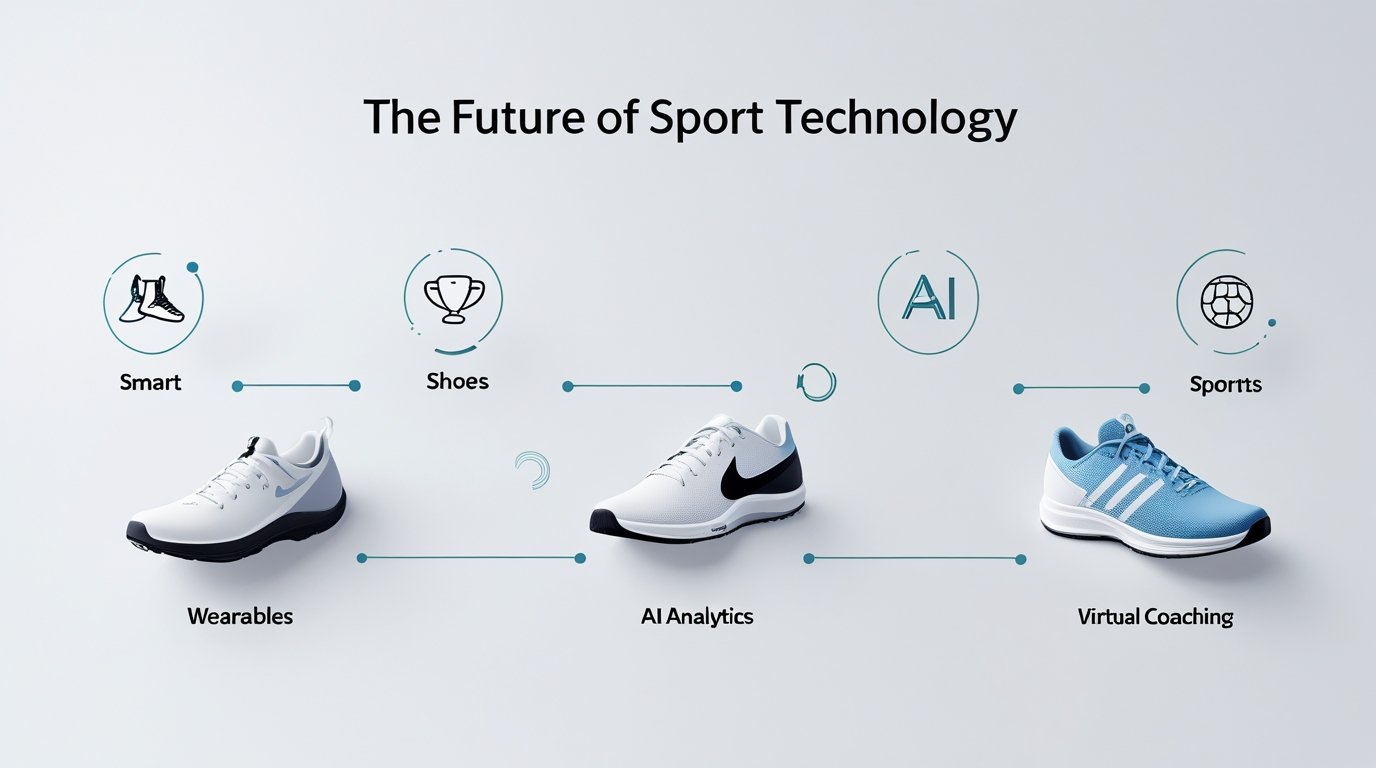
The Future of Sport Technology:
Sports and technology have always evolved together but in recent years advancements in technology have transformed the way athletes train compete and recover from smart wear able that track real-time performance to AI-driven analytics that enhance strategies innovation is pushing the boundaries of human potential in sports athletes now rely on cutting-edge equipment such as smart shoes biometric sensors, and virtual reality training to optimize their skills and prevent injuries technology is making sports more accessible to fans through live-streaming augmented reality and interactive experiences. With AI machine learning and robotics entering the sports industry.
The future holds endless possibilities from automated refereeing to advanced injury rehabilitation techniques even traditional sports are adapting to technological breakthroughs ensuring fairer competition and improved athlete well-being as innovation continues to shape the future of sports both athletes and spectators will experience new levels of engagement accuracy and performance enhancement the fusion of technology with sports is not only redefining the way games are played but also how they are analyzed and enjoyed with rapid advancements on the horizon the future of sports technology is set to revolutionize the industry like never before.
Wearable Technology and Athlete Tracking:
Wearable technology has revolutionized the way athletes train compete and monitor their performance from smart watches and fitness bands to advanced biometric sensors these devices provide real-time data on heart rate speed movement and overall physical condition athletes and coaches use this information to analyze performance improve training routines and prevent injuries GPS trackers for example help runners and cyclists measure distance and pace while smart fabrics embedded with sensors monitor muscle activity and fatigue levels in team sports wearable devices track player movements to optimize strategies and enhance teamwork.
The data collected also helps personalize training programs to suit an individual athlete strengths and weaknesses leading to results in professional sports wearable tracking is becoming essential for decision-making with teams using it to assess player fitness and reduce the risk of injuries as technology continues to advance wear able are becoming more accurate lightweight and efficient ensuring that athletes of all levels can maximize their potential while maintaining peak physical health future of sports is increasingly data-driven and wearable technology is at the heart of this transformation.
Artificial Intelligence and Machine Learning in Sports:
Artificial Intelligence (AI) and Machine Learning (ML) are transforming the world of sports making training performance analysis and strategy development more advanced than ever AI-powered systems analyze vast amounts of data in real time helping coaches and athletes make smarter decisions from tracking player movements to predicting game outcomes AI provides insights that were once impossible to obtain machine learning algorithms process data from past games to identify patterns strengths and weaknesses allowing teams to refine their tactics and improve performance AI enhances injury prevention by detecting early signs of fatigue and stress, helping athletes avoid overtraining.
Video analysis tools powered by AI are also revolutionizing referee decisions ensuring greater accuracy in officiating fans are also benefiting from AI through personalized sports content automated highlights and interactive viewing experiences virtual assistants and chat bots powered by AI provide real-time updates statistics and predictions making the sports experience more engaging with AI and ML continuing to evolve the future of sports will be driven by intelligent data analysis smarter training methods and enhanced fan interactions these technologies are not just changing how athletes perform but also how sports are played managed and enjoyed worldwide.
Conclusion:
In conclusion, the future of sports technology is incredibly exciting with innovations like wearable devices AI-driven analytics and virtual reality all playing key roles in enhancing performance safety and fan engagement these advancements are not only helping athletes train smarter and prevent injuries but they are also changing the way we watch and experience sports as technology continues to evolve we can expect even more personalized and immersive experiences for both athletes and fans the integration of data-driven insights real-time tracking and cutting-edge tools will continue to push.
FAQS:
1. What are the most exciting trends in sports technology?
Some of the most exciting trends in sports technology include AI-driven analytics wearable fitness trackers smart equipment virtual reality (VR) training and injury prevention technologies these innovations are improving athlete performance safety and fan engagement.
2. How is wearable technology benefiting athletes?
Wearable technology provides athletes with real-time data on their health performance and recovery devices like smart watches and fitness trackers monitor metrics such as heart rate speed and muscle fatigue helping athletes and coaches optimize training and prevent injuries.
3. Can AI and machine learning predict an athlete’s performance?
Yes, AI and machine learning can analyze vast amounts of data such as an athlete past performance training regimen and environmental factors these systems can predict future performance highlight areas for improvement and suggest personalized training strategies.
4. How is virtual reality being used in sports?
Virtual reality is being used to simulate training environments allowing athletes to practice in a safe controlled space it also helps with injury rehabilitation by creating low-impact scenarios to improve skills without physical strain VR is also enhancing fan experiences through immersive viewing.
5. What role does technology play in injury prevention?
Technology such as wearable sensors and AI-driven analysis helps detect early signs of injury or strain by monitoring an athlete movement patterns and physical condition this allows for timely interventions reducing the risk of long-term injuries.