Anxiety | How to Overcome Learning Anxiety and Perform Better Academically:
Spirit Center Sober Living >> Health>> Anxiety | How to Overcome Learning Anxiety and Perform Better Academically: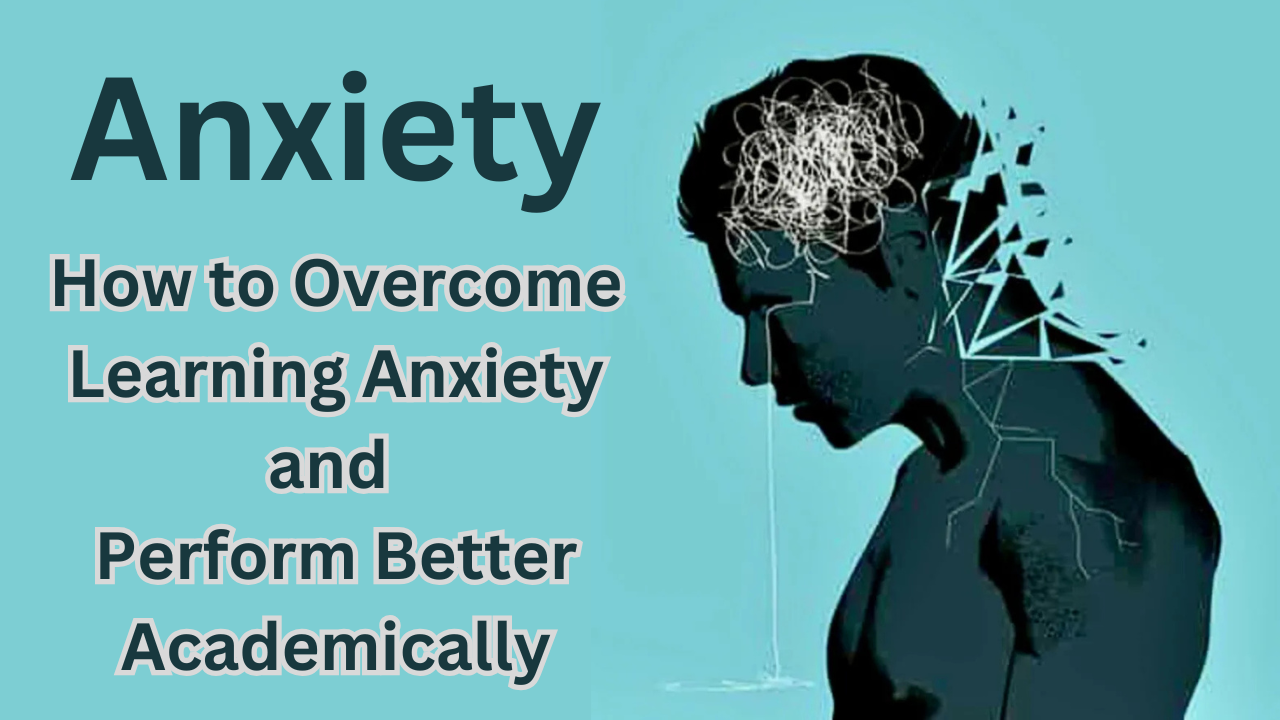
Anxiety | How to Overcome Learning Anxiety and Perform Better Academically:
Many students struggle with learning anxiety which frequently results in stress self-doubt and poor academic performance. Learning can feel overwhelming rather than pleasurable due to high expectations pressure to succeed and fear of failing. However, it is possible to overcome learning anxiety if you have the correct attitude and techniques. Students can improve their academic performance lower stress levels and gain confidence by addressing the underlying causes and implementing practical strategies.
Understanding Learning Anxiety and Its Impact:
Many factors such as unreal expectations fear of being judged and past failures contribute to learning anxiety. Learning anxiety is frequently accompanied by difficulties with self-doubt procrastination and concentration. The pressure to perform well academically can set off a vicious cycle of stress and avoidance which can result in subpar work and strengthen self-defeating beliefs.
Learning anxiety affects mental and emotional health in addition to academic performance. In addition to physical symptoms like headaches or exhaustion, persistent anxiety can cause burnout and low self-esteem. Effectively addressing learning anxiety begins with acknowledging its effects. By realizing that anxiety is a normal reaction to stress students can create healthy coping mechanisms.
Developing a Positive Mindset towards Learning:
Overcoming learning anxiety requires a positive outlook. A lot of students see academic difficulties as dangers rather than chances for personal development. Changing this viewpoint can have a big impact on motivation and stress reduction. Adopting a growth mindset which views errors as teaching opportunities rather than failures promotes confidence and resilience.
Another essential component of conquering learning anxiety is self-compassion. Pupils should acknowledge their progress no matter how tiny and practice self-encouragement rather than harsh self-criticism. A more encouraging and supportive learning environment can be produced by making it a habit to recognize and celebrate accomplishments no matter how small. A constructive approach to learning is further reinforced by surrounding oneself with positive influences such as mentors and peers who are encouraging.
Effective Study Techniques to Reduce Anxiety:
Using efficient study methods can help a lot with learning anxiety. Ineffective study techniques that result in frustration and poor memory retention are a common source of anxiety. Understanding and retention are improved by creating organized study habits that include goal-setting task segmentation and the use of active learning techniques.
Effective time management is essential to lowering learning-related stress. Anxiety is often increased by procrastination which results in last-minute cramming and increased stress. Preventing excessive workloads and encouraging a sense of control over academic responsibilities can be achieved by developing a study schedule that permits regular manageable study sessions.
Studying becomes more dynamic and pleasurable when active learning techniques like summarizing material imparting knowledge to others and participating in discussions are used. Other resources that improve memory and comprehension include practice exams mnemonic devices and visual aids. Learning can be made less stressful and more enjoyable by identifying the study strategies that suit each learner’s unique learning preferences.
Managing Test Anxiety for Better Performance:
A prevalent type of learning anxiety that impacts students of all ages is test anxiety. Even when students are well-prepared the fear of performing poorly can impact their ability to focus and perform. To improve academic performance test anxiety management techniques must be developed.
Reducing test-related stress requires preparation. Establishing a regular study plan well in advance of tests improves memory retention and lessens the need for last-minute cramming. Gaining confidence and familiarity with test formats can be achieved through practicing with previous papers quizzes and timed exercises.
Relaxation techniques, such as deep breathing, mindfulness, and visualization, can help calm nerves before and during exams. Developing a pre-exam routine that includes physical activity, adequate rest, and positive affirmations helps create a more focused and composed mindset. Avoiding negative self-talk and replacing it with constructive thoughts, such as “I am prepared, and I can do this,” can make a significant difference in test performance.
Building Self-Confidence through Small Wins:
A key component of conquering learning anxiety is confidence. Many students battle self-doubt thinking they are incapable of succeeding academically. Establishing reasonable objectives and recognizing accomplishments along the way are key components of developing self-confidence. The idea that learning is possible is strengthened by little victories like finishing a difficult task or raising test scores.
Confidence can also be increased by participating in extracurricular activities and discovering interests outside of the classroom. The pressure to perform well academically is lessened and a sense of accomplishment is fostered by success in non-academic pursuits. Students who have a well-rounded sense of self-worth approach learning with greater balance and positivity.
Advice on how to overcome learning anxiety can be obtained by asking teachers mentors or counselors for assistance. Having frank conversations about difficulties and getting helpful criticism promotes a proactive approach to development. Building a network of friends family and teachers fosters a more supportive and inspiring learning environment.
Creating a Balanced Lifestyle for Academic Success:
Learning anxiety and academic achievement are strongly influenced by a balanced lifestyle. Burnout is common among students who prioritize their studies over self-care which makes anxiety worse. Maintaining motivation and focus requires giving mental and physical health top priority.
Regular exercise, a nutritious diet, and adequate sleep contribute to better cognitive function and emotional stability. Exercise releases endorphins, which reduce stress and improve mood. Proper nutrition fuels the brain, enhancing focus and memory retention. Sufficient sleep allows the brain to process and retain information more effectively, preventing mental fatigue.
A necessary respite from the demands of school is provided by hobbies social interactions and relaxation activities. Maintaining a good balance between studying and personal life requires making time for enjoyable and relaxing activities. Students who practice self-care regularly report feeling less stressed and performing better academically.
Conclusion:
Overcoming learning anxiety is a gradual process that requires self-awareness, positive mindset shifts, and effective study strategies. By recognizing the sources of anxiety and addressing them with practical techniques, students can develop greater confidence and resilience. Managing test anxiety, building self-confidence, and maintaining a balanced lifestyle contribute to improved academic performance and overall well-being. Learning should be an enriching experience rather than a source of stress, and with the right approach, students can transform their academic journey into a fulfilling and rewarding endeavor.